Wednesday, November 24, 2021

Wednesday, March 31, 2021
our biggest challenge
Here is a writing text using the LEER structure that we did as a class. L- Lead sentence E- Explain E- Example R- Relevance Intro : Climate change is the biggest challenge of our lifetime. Centuries of pollution and deforestation has led to global warming, rising sea and a plethora of natural disasters. What is it, and what can we do to fix it? Global warming : One measurable aspect of climate change is global warming. Greenhouse gases get trapped in the atmosphere causing the global temperature to rise. Carbon dioxide, methane and nitrous oxide are the 3 main greenhouse gases. Solar energy (heat/light) gets trapped in the atmosphere - this is the natural process of global warming. Humans are making this global warming process worse by emitting lots of greenhouse gases from factories. Global temperatures are rising - causing the melting of glaciers in Antarctica and more natural disasters. IN the 1800’s, humans began the Industrial Revolution, resulting in many factories being built all over the world. These factories emitted carbon dioxide and other greenhouse gases. Humans rely on factories and transport (e.g cars, buses) which all burn fossil fuels. In the last century, the global temperature has risen by 1* C. Deforestation : Another devastating component of climate change is deforestation. There are lots of human actions that are increasing global warming, which needs to be stopped before we get to the point of no return. Deforestation is caused when trees such as confires are milled for temper. When forests are culled less oxygen is produced (as less trees exist) and more carbon dioxide (CO2) is absorbed. This excess CO2 is then released into the atmosphere contributing to the greenhouse effect. A famous example of deforestation is the culling of trees in the Amazon rainforest. The amazon rainforest is the biggest in the world, home to 390 billion trees. People are cutting the native trees to plant palm oil and other food sources. The immediate result of this is that animals' habitat is destroyed. The plight of the orangutan is known around the world. They are a symbol of fighting against climate change. The longer term effect is that certain species have become endangered and even extinct. Damage to the land caused by agriculture is often permanent. Saving the rainforest would help minimise the long term impact of global warming. Agriculture : A third factor contributing to climate change is agriculture. Agriculture is farming with animals. Cows produce a lot of methane through farting and belching which is a greenhouse gas. Agriculture requires huge amounts of land which could be used for forests/rainforests and as habitats for native species. Another damaging part of agriculture is the damage done to local waterways (E.g. rivers and streams) through the fecal matter and urine of those animals. The water gets polluted and fish who live there die. In New Zealand, there are 26.6 million sheep and 10.1 million cattle. If people ate less meat, we wouldn’t need so much land for agriculture and we wouldn’t be damaging local waterways as well. Rising sea : Global warming is causing rising seas through the meeting of Antarctica and the arctic. The largest concentration of ice on Earth is in the arctic (North homisplene) and Antarctica (Southern tomisplene). In these places ice sheets and glaciers hold vast amounts of water. Ice sheets are massive flat platforms that are made on ice, glaciers form over land. Solar energy and greenhouse gases increase global temperatures which leads to these ice from melting, This meltwater causes rising sea levels around the world, leading to increased flooding and coastal erosion. A small island in the pacific which is directly impacted is kiribati. Kiribati is a lowing island experiencing levels of flooding, high tides and coastal erosion. Kiribati is trying to save their island by building new sea levels of coral. Kiribati cities are now becoming climate change refugees seeking asylum in neighbouring couettes such as Australia and New zealand. Kiribati land, culture and native wildlife will be lost forever. While global warming seems like a big problem for the people of Kiribati, it is a matter of life and cleath. Weather/ Natural disasters : The increasing frequency and severity of natural disasters is the direct result of climate change. How to fight climate change : There are many actions that can be taken to reduce the impact of climate change. Some of these can be done by individual people, such as not using plastic bags, putting your rubbish in the bin and recycling any plastic you use. Actions that every community should take is to have lots of rubbish bin available, plants lots trees and native bushland, use wind farms and solar panels where you can. At a national level, actions New Zealand can take are planting more trees, conservation programmes for native species, introducing laws and policies that limit overfishing and monitoring the deforestation of native timbers. Both individuals and countries should actively be trying to increase the number of bees they have in their land. The biggest change would be if globally, companies stopped burning fossil fuels as this would minimize the greenhouse gases that are entering the atmosphere. One scientific study found that only 100 companies are responsible for 71% of the world's carbon emissions. There are four petrol companies (Exxonmobil, shell, BP and chevron) that are the highest emitters in the world. Another thing consumers can look for is what products they buy - some products use palm oil which is the reason for a lot of deforestation. People should buy palm oil free products. There are lots of ways both individuals, groups and governments can make a difference to reducing climate change. In concussion, climate change is a terrible problem that is the number 1 concern facing our planet. If we do not take the action discussed, within a century our plant will have irreversible damage and our children and grandchildren will not enjoy the world in the way we did. It is upto every person to make change
Thursday, December 17, 2020
Tuesday, December 1, 2020
Monday, November 16, 2020
Athletics 2020
So on friday the 13th of november tamaki primary school had athletics in term 4 and there were 4 group and the names are ALAMEIN, TRIPOLI, BENGHAZI, and TOBRUK and all of those 4 group had to say their house chants around the bike track. As soon all the house chants were done all the houses had to set under the Gazebo and we had to split into our age group and there were 5 different field events and they were high jump, long jump, stand jump, shot put, discus.
So the first event we did was shot put and after shot put we did standing jump then we did discus and then long jump and after long jump we did high jump. And the teacher who were doing each events were Mr James, Mrs Tefae, Mrs grady, Mr J. but in the standing jump i am last place and in shot put i still came last place and in long jump i came last place but in high jump i still came last place.
After the 5 events we had morning tea and in morning tea we still try to see who the faster girl or boy in the school but most of the little kid go and play with the form shape and most of the big kids well go and play or run on the track to see who the faster boy in the whole school.

Tuesday, November 10, 2020
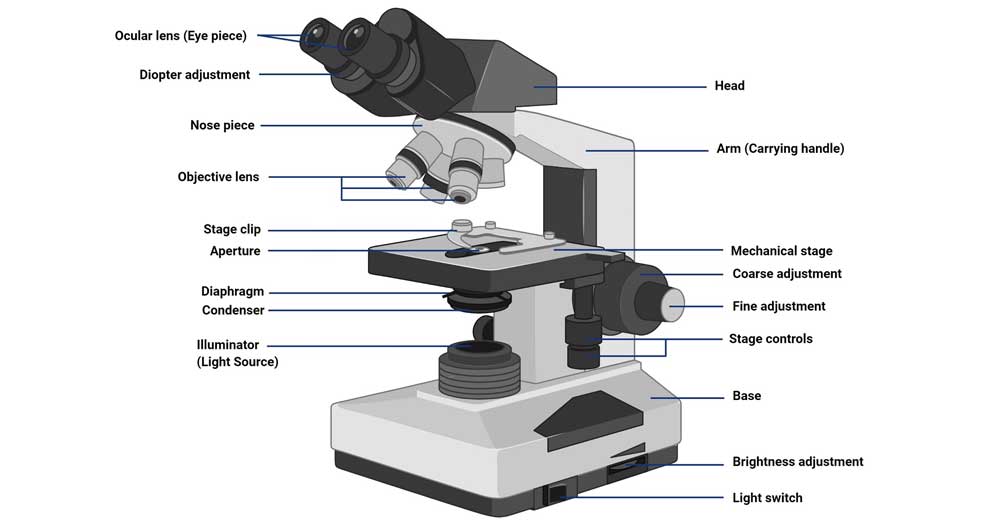
microscope
Specimens
Slides
Slices
Objectives - cost about (300-400)
Stage , clipper
Navigate
Focus knob
Coarse focus knob - move the stage up and down
Eyepieces magnify - yellow-100x - bule-400x
And it start on 4x then 10x then 40x.
Monday, November 9, 2020
the refugee story about mahmoud by mariah and nitika
So a 12 year old boy named Mahmoud and his parents are fatima and his dad named himself and his sister named hana and a little brother named waleed and so waleed was watching his TMNT on the T.V and the dad had a watch/phone/money. The taxi-2 rebels jumped in -shot-up-ran away and Waleed was acting like a zombie from the TMNT that was on the T.V. and so Mahmoud and his family moved to syria-turkey-greece but that when hana went missing. And that when the mum went to look for hana. And they are muslim and they pray 5 times a day and they bend down to breath brain and a mosque Quran.
Mahmoud and the mum,dad and waleed slept in the plane and slept in the shop in a country named turkey but they walked to turkey and they gave hana away.
So mahmoud mum used to be a nurse in a war and the dad is an engineer . Mahmoud had no friends when he was growing up but he had one friend named Khalid who defended him. When he was invisible. And so the mum and dad's apartment was damaged. And they live in Aleppo,Syria and they have no way to live but live in a shop or they have to keep on walking to find a place to live in and to find a school for Mahmoud to go and learn about new things and different people.
And so there was a huge hole in there apartment and mahmoud saw a gery-white clouds from the missile strikes blooming all around. And mahmoud was in shook and he was trying to clear the ringing in his head.
After mahmoud and his family finish in turkeys they went from turkey to greece, maeedania, serbia, hungary, Austina and to germany but then when mahmoud mum when to look for hana in germany.
But when mahmoud was in syria they had syira pounds and mahmoud and his family were thinking about moving to a different so mahmoud mum can give hana away to a different person but when they were walking mahmoud mum was looking for hana and that when the mum went looking for hana everywhere and she went to go ask some people if they seen hana or if they seen a little 2 year old walking off somewhere .
And so mahmoud want to disappear again.
Thursday, October 22, 2020
Wind Chimes Part 2

Define these words
Chinking - something taps together and makes a noise
Upriver - going up a river
Ponga - A type of plant
Sentry - guard
Pouwhenua - carved statue
Fatigues and masks - jumpsuit uniform
Staffs - its a stick
Bivouacs - made up tent
Solar lights - light that is powered by the sun
Glow worms - type of insect natice in NZ and it butts in night time.
“Home in on us” - zooming in
Searing blow - painful hit
Remote - isolated far away from places
Radical - somebody fighting back the enemy
What was mums old job?Teacher
Why is the camp called ‘camp radicals’? Because they are radicals and they were fighting back
What is the tikanga about carving pou? So you have to earn the privilege to use the tools
On page 42, why did Tre smile to himself? Cause recognise the pou in the woods.
What was the purpose of the pouwhenua?so it is a warning to find the voids if they are coming to their land.
How could you describe where Tre put his bag down?he put it down in the long tent .
What were the people in the village doing BEFORE Tre and Muse’ arrival? And now?
Who carved the pou?They are learning to fight for themself and they are learning how to make a pot and others were writing and the others were reading.
Why did Tre only murmur “nice one” to Phyn? (Rather than hugging him/celerbating/etc). It was phyn.
Why was Muse leaving in the middle of the night?so she felt bad because she had a tracker .
What was on Muse’s arm?tracker
Who is Phyn in relation to the other characters?tres brother .
Why did Phyn hit Tre and with what?Taiaha
Who will now follow in dads footsteps?phyn
Was it the Phyn was silent written in italics like that?
What was their plan after leaving the camp?
If you were Tre, what would you do in this situation?
Friday, October 16, 2020
🏕 camp explanation text 🏕
Why all kids should go to a school camp.
So all kids should go to a school camp where they can learn new skills and make new friendships and to build more confidence in each other. And join in different groups that you can interact with.
Whanaungatanga
Whanaungatanga is when you can make new friendship or you can build more confidence with each other or you can join and interact with each other in a group so while you are at camp when you see some lonely you can go and make friendship or you can help them with their stuff like unpacking there thing in the room or you can help them clean up in the dining room. And you can learn other people's language and their culture. And the meaning of whanaungatanga is that you can encourage each other to do new things.
Learning new skills
So learning a new skill is what you haven’t done for the first time so the things that you will see is that there is kayaking,paddle board,orientering,beach walk and more but you can do things that are independent.
Break from internet
So the break from the internet is when you can get away from you school work and away from your social media. And get to find the meaning of getting a away from your phone and having fun with you school friends and your teacher.
Friday, August 21, 2020
Tuesday, August 18, 2020
🌳 the Fragile web of life .🌳
Link to video: https://www.youtube.com/watch?v=HURyGlOksR0&t=87s
Link to transcript: https://docs.google.com/document/d/1-hqNC56zU5g-UzfefWU8_I3m7qyjNWjDviqw5IqFcbY/edit?usp=sharing
Words from transcript:
Vegetation -All plants
Proliferate - spread
Enabled - allowed, afforded
Microbes - teeny tiny organisms like bacteria
Adversaries - enemies, foes.
Majority - the biggest section
Irrevsible - can’t go back, can’t undo it.
Pulsating - vibrating, moving, alive.
Eco systems - a group of organisms that live together and rely on each other for survival
Pollinators - animals that spread pollen, like bees.
Magnitude - importance
Breeding - making babies
Ensured - make sure. 100% gonna happen.
Summary of ideas:
Paragraph one - organisms/living things came out of the water. Life emerged from the ocean nearly 3 and a half billion years ago.The Earth was covered in plants (vegetation). Different species of animals/organisms evolved over millions of years in different habitats.
Paragraph two - Animals that are predators have less babies, less often, (E.g. humans mostly have one baby at a time) because they will survive. Animals that are prey, have more babies/eggs, more often, because their babies/eggs will get eaten by predators. For example, glow worms lay eggs in batches of 30. When the first egg hatches, that worm eats its siblings as its first food source.
Paragraph three - Animals live in ecosystems, which is like a web or team where all the organisms rely on each other to survive. Some animals eat each other (predator and prey), some trees are homes for animals, some fungi rot the leaves that fall from trees and feed nutrients back into the ground.
Paragraph four - Humans are destroying the planet through pollution, cutting down trees (deforestation) and putting bad gases into the air. We will have lots of animals/species either by killing them or destroying their habitats. Scientists predict that within 30 years, ⅕ of all species on Earth will be extinct.
Paragraph five/six - In a rush to improve our own lives, humans have damaged the planet forever. Species that go extinct can never be brought back to life.
Monday, August 10, 2020
Graph interpretation

Room 8’s graph interpretation
Rosie and Chanel - 15 year olds don’t get bullied as much as Year 9’s.
Kymani and Boston - Year 5’s get physically hurt the most.
Kordell and Saia - Almost 40% of year 5’s and year 9’s were made fun of or called names.
Eve and Lemeki - Year 9’s are called names equal amount to year 5’s.
Nitika and Litia - No 15 year olds reported they had been made to do things they don’t want to do.
Stanley - 15 year olds get bullied the least because they are more mature.
Mariah - Almost 40% of year 5’s and year 9’s were made fun of or called names BECAUSE their younger.
Michael and Wesley - Year 5’s get bullied more than Year 9’s or 15 year olds.
Hope and Maria - Only year 9’s reported that they had embarrassing things posted about them online.
Ana and Senitila - 15 year olds are not being pushed around to do things.
Fereti and Mathew - More year 5’s feel left out of games than Year 9’s and 15 year olds.
Railey and Davlyn - 60% of Year 5’s reported that they have been bullied in some kind of way.
TRUE OR FALSE?
100% of Year 5’s have been bullied.
FALSE0% of 15 year olds reported they had something embarrassing posted about them online.
TRUEMore than 20% of Year 5’s reported having something stolen from them.
TRUE50% of YEar 9’s have been bullied.
TRUE20% of YEar 9’s reported they have been purposefully left out of games.
TRUEFriday, July 31, 2020


Monday, July 27, 2020
genomics
Genomics Reading - Notes/Vocab
Monday 27th July 2020
GENOMICS is the study of genes that make up the body.
Organism - a living thing (humans, bugs, birds, animals etc).
XX - female
XY - male
Humans have 22 sets of chromosomes which are made up of A, C, G and T bases. These are in different combinations which change your physical appearance/characteristics.
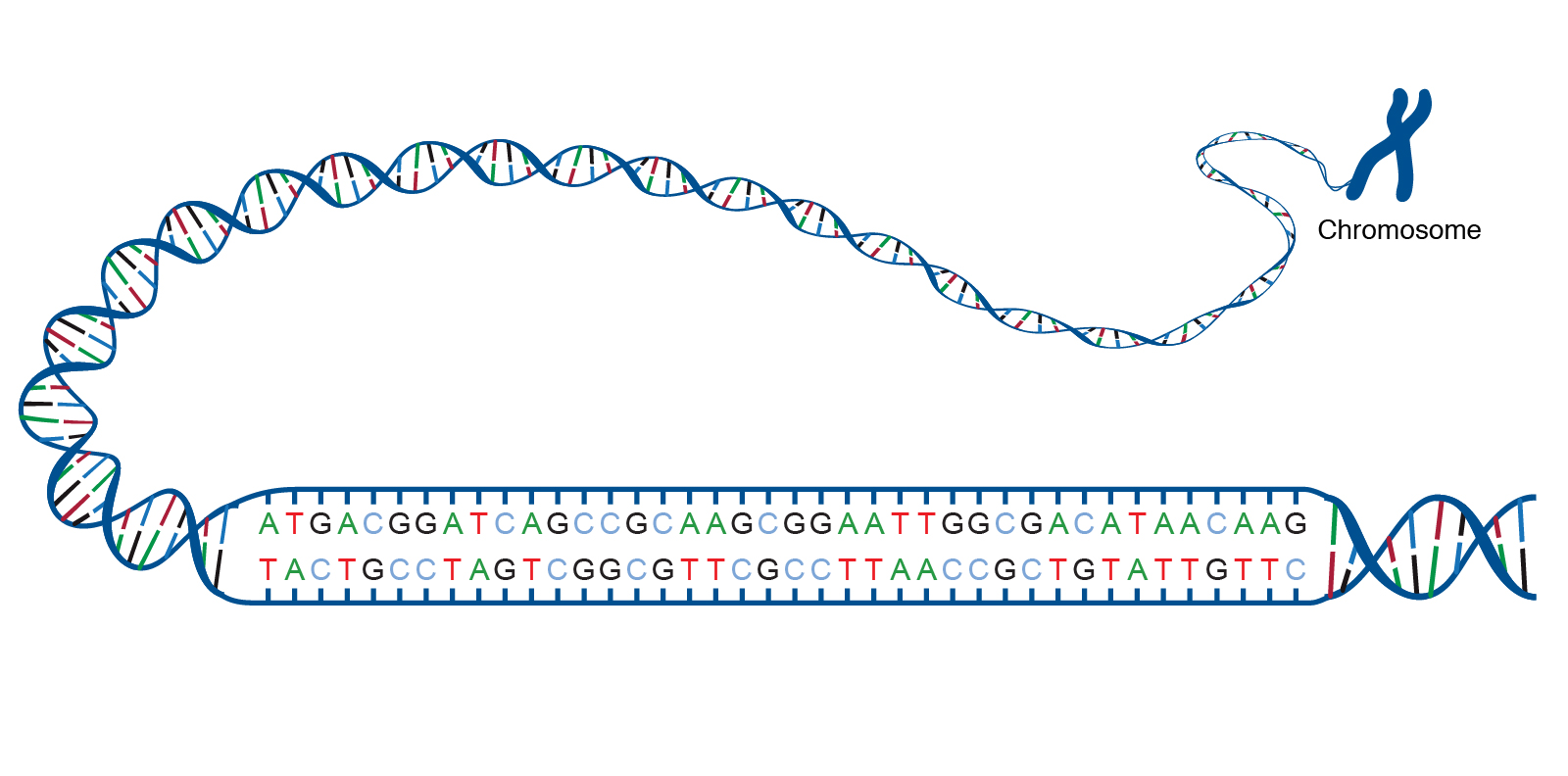
Identical twins will have the same DNA. Non-identical twins will not.
Friday, July 24, 2020

Thursday, July 23, 2020
Genomics anticipation guide BEFORE
https://drive.google.com/file/d/1Ox8JDE5peTd5mUrLvOX-qWm2f-x4Fwru/view
Subscribe to:
Posts (Atom)